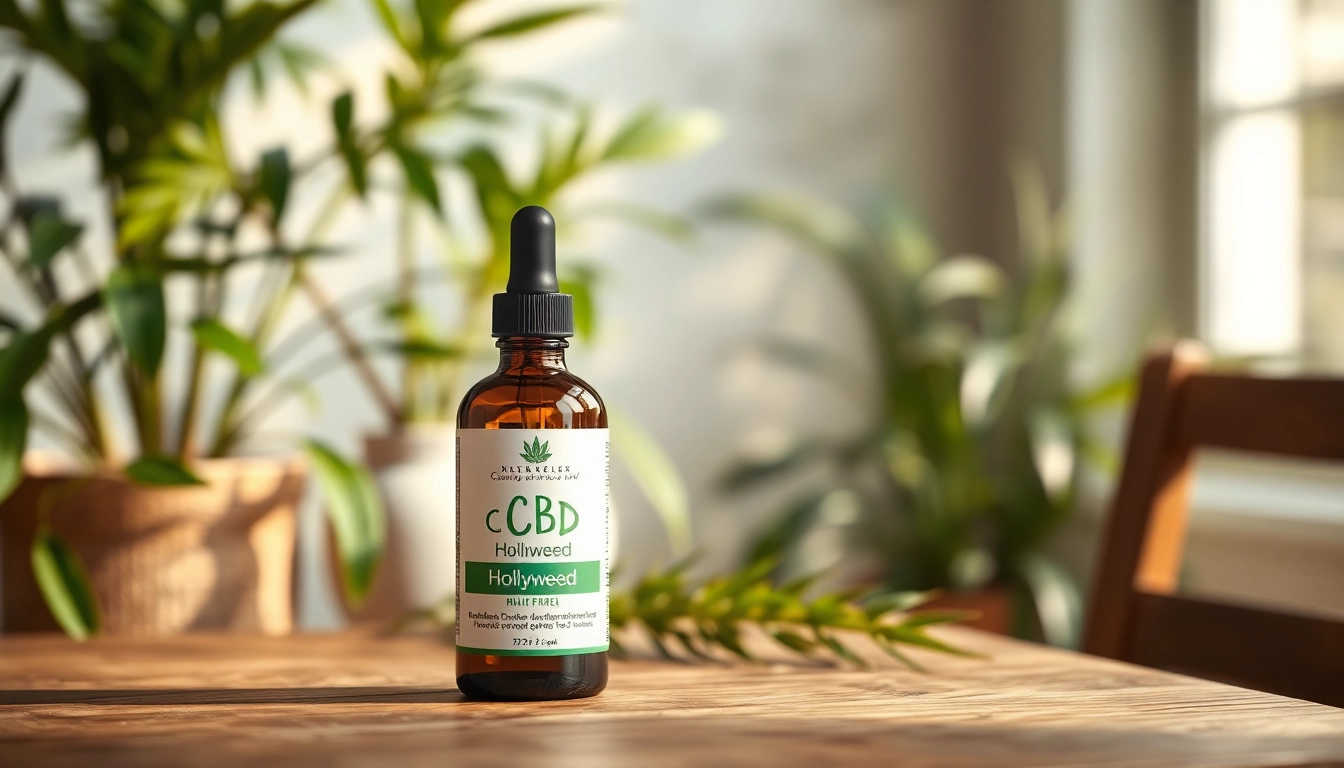

Understanding THC and CBD: The Basics of Cannabinoids
In recent years, cannabinoids such as tetrahydrocannabinol (THC) and cannabidiol (CBD) have gained significant attention for their potential wellness benefits. The cannabis plant contains various compounds that interact with our body’s endocannabinoid system (ECS), a complex network responsible for regulating various physiological processes. Understanding these cannabinoids, their effects, and how they might enhance your well-being is key to making informed choices about your health. When exploring options, proper loud provides comprehensive insights into THC and CBD products.
What are THC and CBD?
THC is the psychoactive component of cannabis that produces the sensation of being “high.” It interacts primarily with the CB1 receptors in the brain, influencing mood, appetite, pain perception, and more. On the other hand, CBD is non-psychoactive and offers potential therapeutic benefits without the intoxicating effects associated with THC. It primarily interacts with CB2 receptors, which are involved in immune function and pain modulation. This distinction is crucial for consumers seeking specific effects from cannabis products.
The Endocannabinoid System Explained
The endocannabinoid system (ECS) is a biochemical communication system within our bodies that plays a role in regulating a variety of functions, including sleep, mood, appetite, and immune response. It consists of cannabinoid receptors (CB1 and CB2), endocannabinoids produced by the body, and enzymes that break them down. THC and CBD engage with the ECS, impacting its activity and altering bodily functions. This interaction is the basis for the therapeutic potential attributed to cannabinoids.
Potential Health Benefits of THC and CBD
Research into the health benefits of THC and CBD is ongoing, with many studies suggesting their potential in alleviating anxiety, improving sleep quality, and reducing pain and inflammation. Some users report enhanced focus and mental clarity, particularly when using these cannabinoids in moderation. Importantly, dosing and product choice can significantly influence the outcomes, making education an essential part of the consumer experience.
Exploring THC Vape Pens and Edibles: Choosing Your Product
The cannabis market offers various consumption methods, including THC vape pens and edibles. Each method has unique characteristics, onset times, and effects that can cater to different preferences and needs. For those new to THC products or seeking to explore their options, understanding the differences is crucial for making an informed decision.
Types of THC Vape Pens: Which One is Right for You?
THC vape pens come in various styles, including disposable pens, rechargeable options, and customizable setups. Disposable vape pens are user-friendly and convenient, while refillable systems allow for more flexibility with e-liquids or concentrates. Some individuals prefer the control provided by variable wattage settings in advanced devices. Understanding your personal preferences and the convenience factor will guide you in choosing the right vape pen.
A Comprehensive Guide to THC Edibles
THC-infused edibles, such as gummies, chocolates, and beverages, provide a discreet and flavorful way to consume cannabis. However, they have a longer onset time compared to inhalation methods, ranging from 30 minutes to 2 hours. It’s essential to consider dosage and to start low and go slow until you find your optimal amount. Edibles also tend to produce a more prolonged effect, which can be beneficial for those looking for extended relief.
Comparing Delivery Methods: Vaping vs. Ingesting
Vaping delivers cannabinoids to the bloodstream much faster than edibles due to the inhalation method. This results in quicker onset times, usually within minutes. However, the effects may not last as long. Ingesting THC, on the other hand, offers prolonged effects but may take longer to kick in. Depending on your desired experience, either method can be suitable for different situations.
Determining Proper Dosage: How to Get it Right
Finding the right dosage for THC can be a challenge, especially for beginners. Factors such as body weight, experience level, and individual tolerance all play a role in determining the right amount. Let’s explore some practical strategies to help you navigate dosage effectively.
Calculating Your Ideal THC Dosage
To calculate your ideal dosage, start by assessing your body weight and experience with cannabinoids. A common starting point is 1-5 mg of THC per 10 kg of body weight. For example, a 70 kg individual might begin with 7-14 mg. Monitoring the effects and gradually increasing the dosage can help you personalize your experience.
Gradual Dosing: Titration for Personalization
Titration involves gradually adjusting your dosage based on the effects experienced. Start with a low amount and wait at least a couple of hours before taking more, especially with edibles. This method is vital in preventing overwhelming effects and ensuring a comfortable experience.
Tips for Beginners: What to Expect
First-time users should approach THC with caution. Start with a low dose and choose a comfortable environment. Understanding that effects can vary based on the individual and product type is important. Be aware of potential side effects, including drowsiness or anxiety, and have a plan for relaxation if needed.
Quality Assurance: Understanding Product Safety Standards
As the cannabis market grows, so does the importance of understanding product safety and quality assurance. It’s crucial to be aware of what to look for when purchasing THC products to ensure you’re getting a safe and effective product.
Importance of Third-Party Testing and COA
Third-party testing is essential in the cannabis industry, ensuring that products are free from contaminants and accurately labeled. Look for a Certificate of Analysis (COA) that details the cannabinoid profile and the presence of any harmful substances. A reliable company will provide this information transparently.
Identifying Quality Indicators in THC Products
When searching for quality THC products, look for brands that prioritize sustainability, organic cultivation, and follow good manufacturing practices (GMP). Checking for reputation and reviews from other consumers can also reveal quality indicators.
Legal Regulations for THC Products in the UK
The legal landscape for THC products in the UK is complex. It’s critical to understand that THC is classified as a controlled substance, with strict regulations concerning its sale and distribution. The 2018 Farm Bill legalized hemp-derived CBD with less than 0.3% THC in many regions, although cannabis containing higher THC remains illegal. Always verify your local laws before purchasing or using any THC product.
Best Practices for Safe Usage: Enjoy Your Experience
Ensuring a safe and enjoyable experience with THC products involves proper usage and storing techniques. Understanding potential side effects is also essential for responsible consumption.
Common Side Effects and Safe Consumption
The side effects of THC can vary widely from person to person, with common experiences including drowsiness, dry mouth, and changes in appetite. It’s important to consume THC in moderation and to be cautious when combining it with other substances, especially alcohol or sedatives.
How to Store Your THC Products Properly
Storing THC products properly helps maintain potency and effectiveness. Keep products in a cool, dark place away from direct sunlight, and ensure that they are well-sealed to prevent degradation. For edibles, refrigeration may be necessary to prolong their shelf life.
Discussing THC Use with Your Healthcare Provider
If you are considering using THC products, it’s crucial to discuss this with your healthcare provider, especially if you are taking other medications or have pre-existing health conditions. This conversation can help prevent potential interactions and ensure a safe approach to use.
What is the difference between THC and CBD?
THC and CBD serve distinct purposes in the cannabis plant. While THC is known for its psychoactive effects, CBD is non-intoxicating and has gained popularity for its potential therapeutic applications without the “high.” Understanding their differences helps consumers select products that align with their wellness goals.
Are proper loud THC pens lab tested for safety?
Yes, reputable brands like proper loud implement rigorous lab testing for safety and quality assurance. Look for third-party lab results that validate the product’s potency and safety profile before making a purchase.
How can I ensure I’m buying quality THC edibles?
To ensure you are purchasing quality THC edibles, always check for third-party lab results indicating the product’s cannabinoid profile. Opt for products with transparent labeling, high-quality ingredients, and positive customer reviews.
What should I know about THC legality in the UK?
THC legality in the UK is subject to strict regulations. While CBD products with less than 0.2% THC are permitted, THC itself is classified as a controlled substance and is illegal to purchase for recreational use.
Can I use THC products in combination with other medications?
Combining THC products with other medications should be approached with caution. Consult your healthcare provider to discuss any potential interactions or contraindications associated with your current medications.