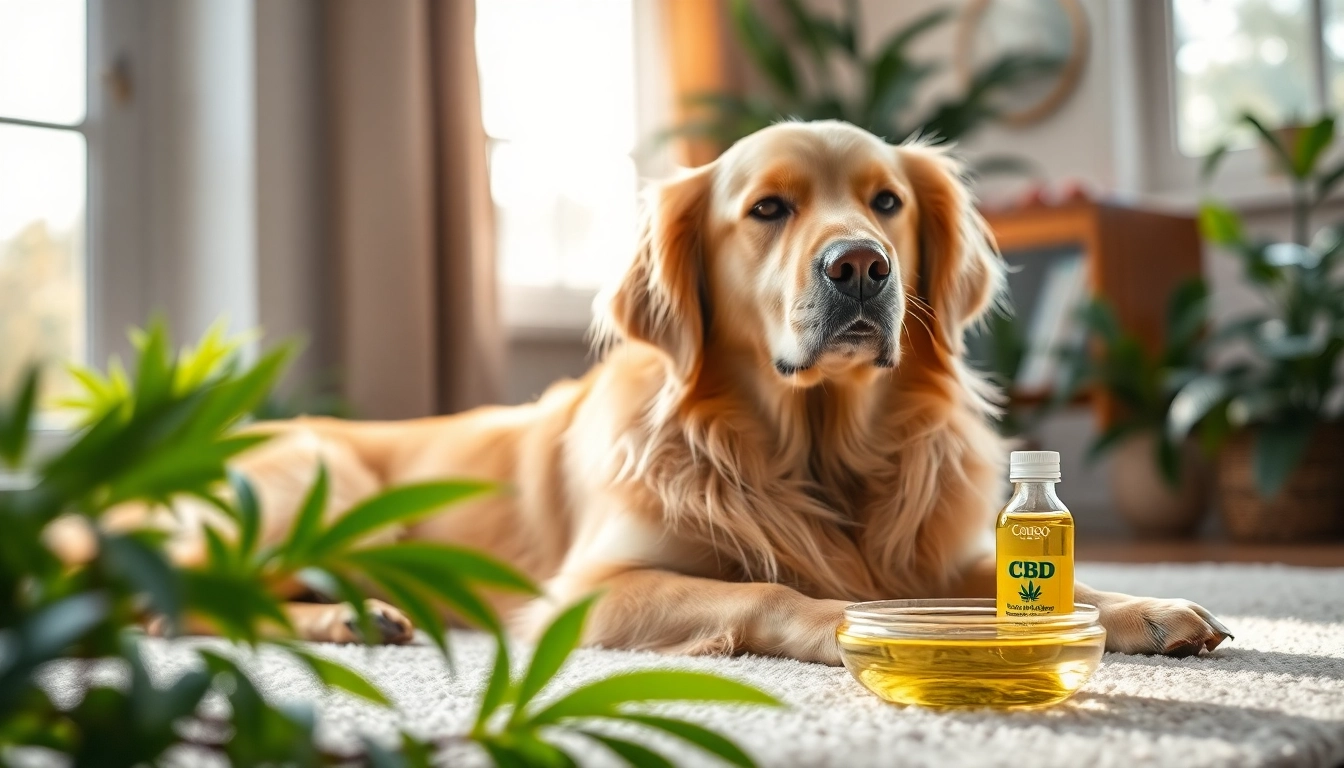
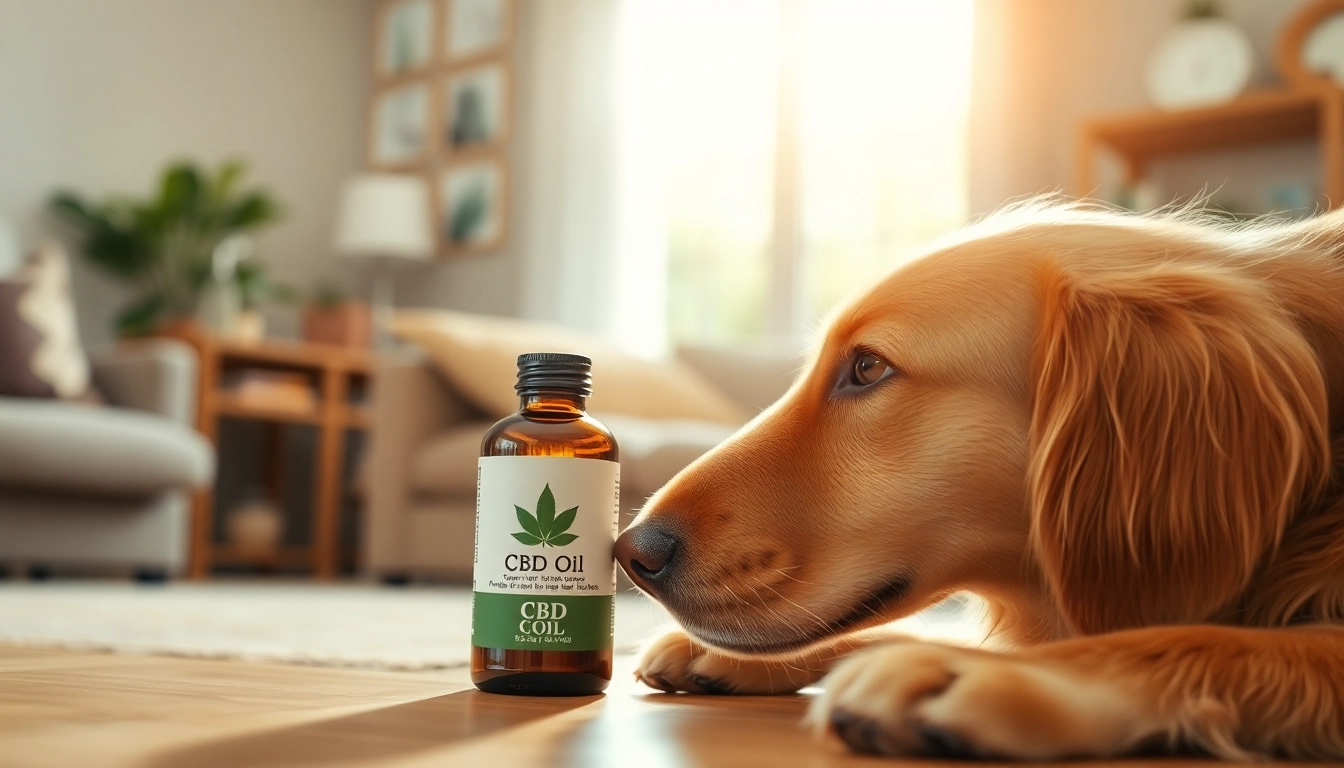
Understanding CBD Oil For Dog
What is CBD Oil and How Does it Work?
Cannabidiol, commonly known as CBD, is a natural compound found in the hemp plant. Unlike THC, which is responsible for the psychoactive effects associated with marijuana, CBD does not produce a “high.” Instead, it interacts with the endocannabinoid system within mammals, which plays a crucial role in regulating various physiological processes. This interaction may help maintain homeostasis and promote balance within the body, making it a topic of interest among pet owners seeking alternative treatments for their dogs. The use of CBD Oil For Dog is emerging as a popular choice for addressing several health issues, including anxiety, pain, and inflammation.
The Science Behind CBD and Canine Health
CBD oil is believed to have a range of therapeutic effects due to its interaction with the body’s endocannabinoid system (ECS). This system helps regulate functions such as mood, pain sensation, appetite, and immune response. When CBD is introduced, it can enhance the ECS’s capacity to promote balance and health. Research indicates that CBD may serve as an anti-inflammatory, neuroprotective agent, and even an analgesic, making it a versatile option for various canine health issues. Studies suggest that many dogs experience reductions in symptoms associated with conditions such as arthritis, anxiety, and seizures following CBD administration.
Common Myths and Misconceptions
Despite the growing acceptance of CBD oil for dogs, numerous myths and misconceptions persist in pet owners’ minds. One common belief is that CBD oil will make pets high, akin to marijuana. This misunderstanding arises from the association with THC, which is not present in significant amounts in CBD oil derived from hemp. Another myth is that all CBD oils are created equal. In reality, the quality of CBD products can vary tremendously, depending on the extraction methods and the source of the hemp. Understanding these myths and separating fact from fiction is essential for pet owners looking to use CBD oil effectively and safely.
Health Benefits of CBD Oil For Dog
Managing Anxiety and Stress in Dogs
Just like humans, dogs can suffer from anxiety and stress. Situations such as thunderstorms, fireworks, or changes in routine may trigger anxiety in pets. Research indicates that CBD oil can provide relief for anxious dogs, leading to a calmer demeanor. Studies have shown reductions in signs of stress, including excessive barking and destructive behavior, when dogs are administered CBD. The compound works by modulating the release of serotonin and other neurotransmitters associated with mood regulation, creating a sense of calm without sedative effects.
Relieving Pain and Inflammation
CBD’s anti-inflammatory properties make it an effective option for pain relief in dogs, particularly those suffering from chronic conditions like arthritis. CBD oil has been shown to reduce inflammation by interacting with receptors in the ECS that are responsible for pain regulation. These findings have led to positive reports from pet owners whose dogs demonstrated improved mobility and less discomfort after using CBD. This makes CBD a viable complementary treatment for pain management in dogs, providing a more holistic approach to their care.
Supporting Overall Wellness and Joint Health
In addition to managing specific ailments, CBD oil can promote overall wellness in dogs. Its antioxidant properties help combat oxidative stress, which is a contributor to many age-related health issues. Moreover, regular use of CBD oil can enhance joint health by cushioning joints, reducing wear and tear, and improving mobility. Many pet owners implement CBD oil as part of a comprehensive wellness strategy, including proper diet and exercise, to help their furry companions maintain an active and healthy lifestyle as they age.
Choosing the Right CBD Oil For Dog
Identifying Quality Products and Ingredients
With an influx of CBD products on the market, selecting high-quality CBD oil for dogs is essential. Look for products that contain organic hemp, third-party lab testing, and transparent ingredient lists. Quality CBD oil should be derived from full-spectrum or broad-spectrum hemp extracts, as these include various beneficial cannabinoids and terpenes that can enhance the overall effect. Additionally, avoiding products with artificial additives, fillers, or unknown substances is crucial. Reading customer reviews and company transparency can also guide you toward reliable options.
Understanding CBD Dosage for Dogs
Determining the appropriate CBD dosage for dogs is vital to achieving desired effects while minimizing potential side effects. General guidelines suggest starting with a low dose and gradually increasing it until the desired effect is achieved. A common starting point is 0.2 mg of CBD per kilogram of weight. However, factors such as the dog’s overall health, size, and severity of symptoms should guide dosage selection. Consulting with a veterinarian familiar with CBD use can provide personalized insights tailored to your dog’s specific needs.
Consulting with Your Veterinarian
Before introducing CBD oil into your dog’s routine, a consultation with your veterinarian is advisable. A knowledgeable vet can offer valuable advice and address any concerns regarding interactions with other medications or potential adverse effects. Open communication about the benefits and limitations of CBD can help ensure that your approach aligns with your dog’s overall health plan, providing the best possible outcome.
How to Administer CBD Oil For Dog
Different Methods of Administration
Administering CBD oil to dogs can be straightforward with various methods to suit individual preferences. One popular approach is to place the oil directly in the dog’s mouth, allowing for quick absorption. Alternatively, mixing the oil into your dog’s food or treats can be effective, especially for dogs that may be hesitant to accept oils directly. Some CBD products come as treats themselves, making administration even easier. Regardless of the method, ensuring accurate dosing and monitoring your dog’s reaction is essential for successful use.
Integrating CBD into Your Dog’s Routine
Integrating CBD oil into your dog’s daily routine requires consistency. Start with a specific time each day, ensuring that it becomes a regular part of your dog’s schedule. This consistency can help manage symptoms effectively, making it easier to observe any changes in your dog’s behavior or health over time. Keeping a journal of your dog’s responses can help track the effects of CBD oil and assist in optimizing the dosage and timing for your dog’s specific needs.
Monitoring Your Dog’s Response
Monitoring your dog’s response to CBD oil is crucial for determining its efficacy and adjusting dosage as needed. Observe for any changes in behavior, mobility, or signs of anxiety or pain. Document these changes to share with your veterinarian during follow-up consultations. Each dog is unique, and their responses to CBD can vary, so being attentive to how your pet reacts will help personalize their CBD regimen and maximize benefits.
Legal and Safety Considerations
Understanding the Legal Status of CBD
The legal status of CBD products can vary across regions, so pet owners should be informed about local regulations surrounding CBD use for dogs. In many areas, CBD derived from hemp with less than 0.3% THC is legal, but it’s important to verify the specific laws in your jurisdiction. Staying informed will ensure that you remain compliant while seeking alternative treatment options for your dog.
Safety Tips for Using CBD Oil With Your Dog
To ensure the safe use of CBD oil with dogs, follow key safety guidelines. Always choose high-quality products tested for purity and potency. Begin with a lower dosage and gradually adjust based on your dog’s response. Monitor your pet closely for any signs of adverse reactions, such as lethargy or gastrointestinal issues. Additionally, keep all CBD products out of reach of children and other pets to prevent accidental ingestion.
Addressing Potential Side Effects
While CBD is generally well-tolerated in dogs, it can have side effects in some cases. Common side effects may include fatigue, diarrhea, or changes in appetite. Should these occur, consult your veterinarian to discuss whether dosage adjustments or alternative options might be necessary. Understanding the potential side effects of CBD oil and how to address them can help ensure a positive experience for you and your dog.