Understanding Vape & E-Liquids Basics
The realm of vaping has transformed the landscape of nicotine consumption significantly, presenting an alternative to traditional smoking while catering to a diverse audience. Within this dynamic space, Vape & E-Liquids emerged as integral elements, enchanting consumers with various flavors, strengths, and formulations. This article delves into the essentials of Vape & E-Liquids, exploring their mechanics, ingredients, and diverse usage options.
What are Vape & E-Liquids?
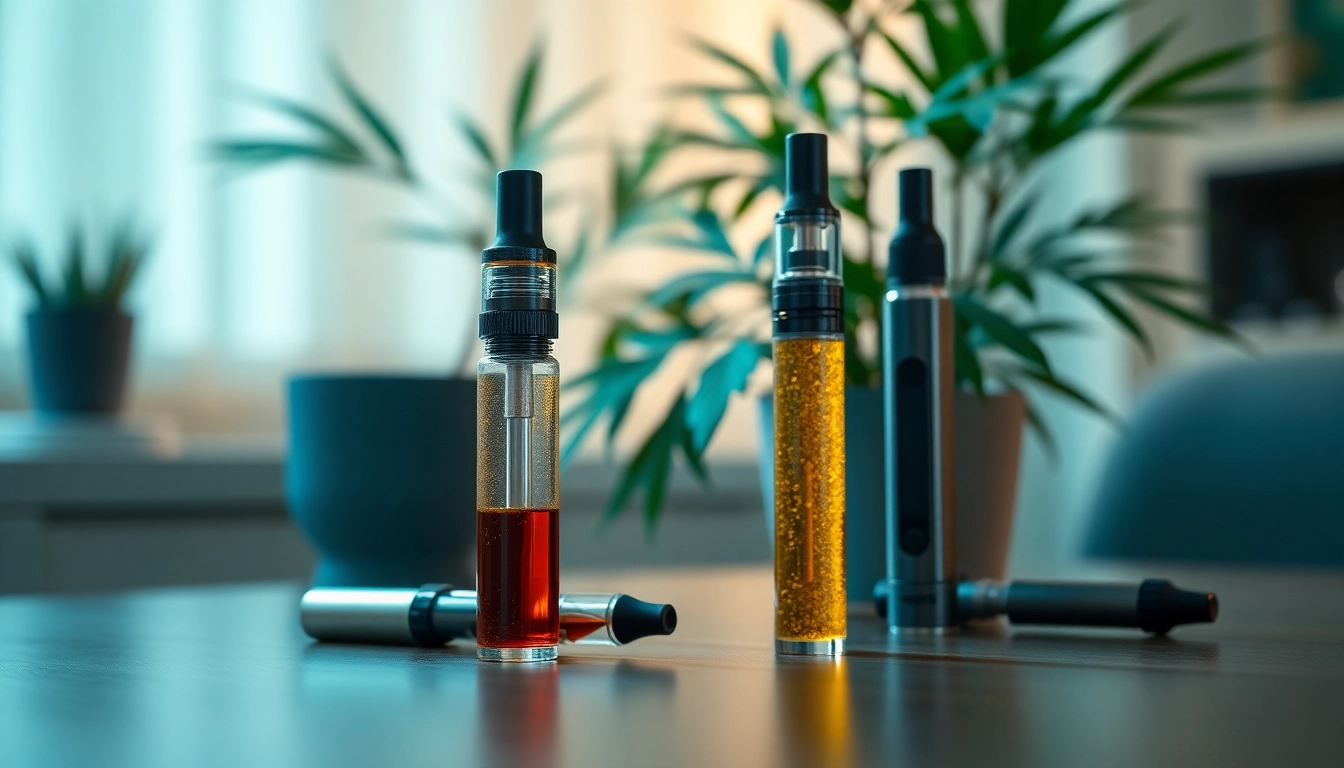
Vape & E-Liquids are the fluid substances used in vaping devices, which are inhaled as vapor. These liquids, also known as e-juices, consist of a blend of ingredients that can produce flavorful vapors for users. They differ from traditional tobacco smoking as they do not involve combustion, ensuring a less harsh experience during inhalation. The typical vaping experience concerns the act of heating e-liquid to a temperature that vaporizes it, allowing the user to inhale the vapor, which is where this smoking alternative excels.
Key Ingredients in Vape & E-Liquids
Understanding the core components of Vape & E-Liquids is crucial for consumers as it clarifies what they are inhaling. Most e-liquids contain the following key ingredients:
- Propylene Glycol (PG): A colorless, odorless liquid, PG acts as a base for e-liquids, promoting a throat hit similar to traditional smoking.
- Vegetable Glycerin (VG): This thicker liquid contributes to the vapor density and sweetness of the blend, satisfying the sensory pleasure this experience brings.
- Flavorings: Varieties of flavors — from fruity to dessert-inspired — are mixed into e-liquids, enticing palates and enhancing the overall vaping experience.
- Nicotine: Available in various strengths, nicotine is the addictive substance found in traditional tobacco products. Some opt for nicotine-free e-liquids, focusing solely on flavor.
How Vape & E-Liquids Work in Devices
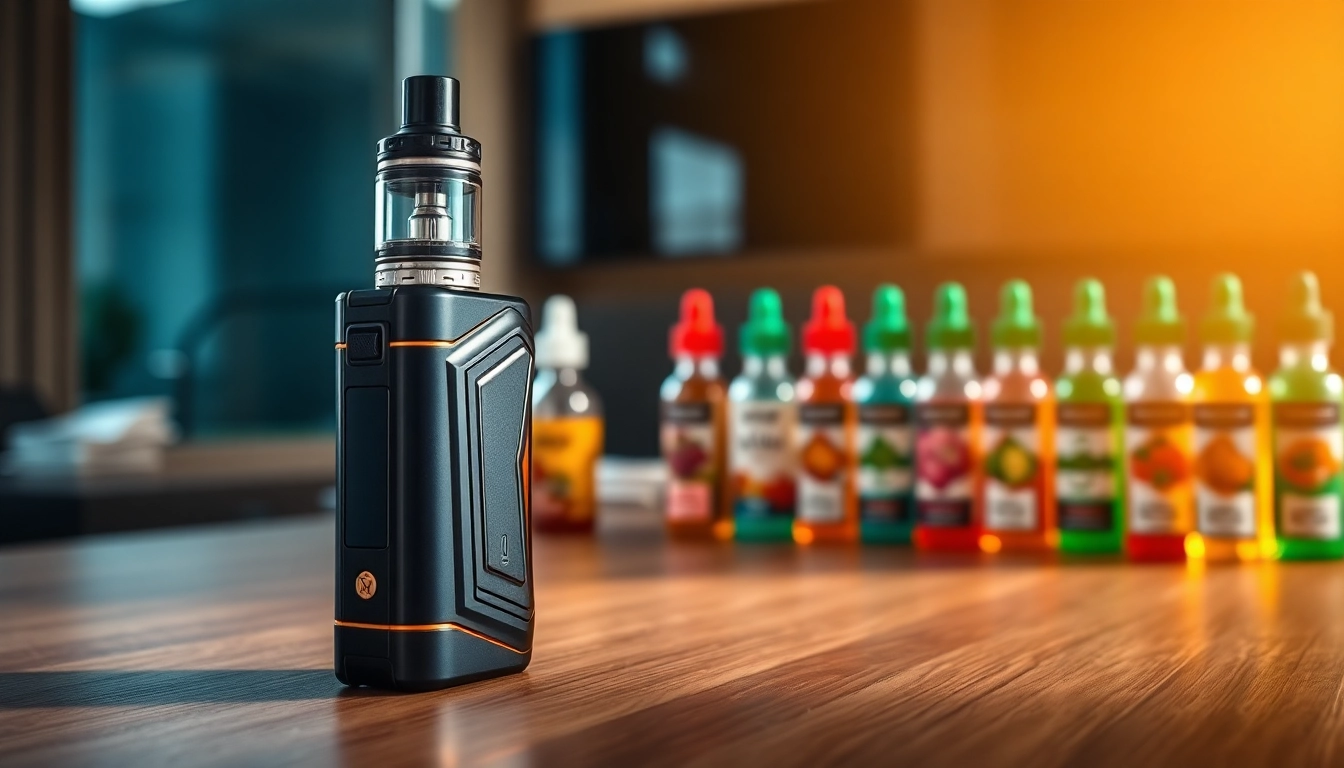
The operation of a vape device is rather straightforward yet innovative. When a user activates the device, an atomizer heats the e-liquid surrounding a coil. This heating process transforms the liquid into vapor, which the user inhales. With a variety of vaping devices available, from pod systems to box mods, each has specific functionalities that enhance the effectiveness, flavor, and user experience. Performance hinges significantly on the quality of the e-liquid, including its PG/VG ratio, which can affect flavor delivery and vapor production.
Choosing the Right Vape & E-Liquids
Selecting appropriate Vape & E-Liquids is integral to a satisfying vaping experience. With many options on the market, it is essential to consider several factors.
Flavor Profiles: Finding Your Preference in Vape & E-Liquids
A primary draw for many vaping enthusiasts is the extensive variety of flavors available. Users explore options from traditional tobacco to exotic fruit blends and indulgent dessert flavors. Each flavor can evoke different sensations and preferences, influencing consumer satisfaction significantly. It is advisable for new users to sample a range of flavors to identify personal preferences, as taste plays a pivotal role in the overall experience.
Nicotine Strengths Explained
For those utilizing vape products as a smoking cessation aid, understanding nicotine strength is fundamental. E-liquids come in various nicotine levels, typically ranging from 0mg to 36mg. Beginners might prefer low-strength options, gradually adjusting based on their cravings. High nicotine levels can provide substantial throat hits akin to traditional smoking, which many may find more satisfying during their transition from cigarettes.
PG vs. VG: The Composition of Vape & E-Liquids
The composition of e-liquids regarding their PG and VG ratio impacts their performance and the user experience. PG is known for providing a throat hit similar to traditional smoking, while VG offers thicker vapor. Many users experiment with blends, finding that a higher VG ratio typically produces a smoother vape with ample clouds, while a higher PG concentration may deliver stronger flavor and throat sensations. Understanding these components and their ratios will enhance the chosen vaping experience.
Popular Trends in Vape & E-Liquids
As the vaping industry evolves, new trends shape user preferences and market dynamics, guided by innovations and consumer demands.
The Rise of Salt Nicotine in Vape & E-Liquids
Salt nicotine has gained significant traction among vapers. Unlike traditional freebase nicotine found in most e-liquids, salt nicotine provides a smoother throat hit even at higher concentrations, enabling users to achieve nicotine satisfaction quickly. Particularly favored by those seeking to quit traditional smoking, salt nicotine formulations are specifically designed for low-wattage devices, making them accessible and appealing for a wide demographic of consumers.
Exotic Flavors and Limited Editions
The rise of unique flavorings has contributed to the diverse palate of Vape & E-Liquids available today. Many manufacturers release limited edition flavors that cater to seasonal trends or themed experiences, enticing loyal customers to partake in new offerings. These exotic blends often attract flavor aficionados seeking novelty, thereby enhancing customer engagement and fostering brand loyalty.
Health and Safety Trends in Vape & E-Liquids
As consumers become more conscientious regarding their health choices, trends in the vaping space are evolving to incorporate heightened focus on transparency and safety. Brands increasingly disclose their ingredient sources and manufacturing processes, emphasizing quality control and batch testing to ensure safety and purity in their products. These trends resonate well with consumers, building trust and promoting informed purchase decisions.
How to Use Vape & E-Liquids Effectively
Maximizing the benefits of Vape & E-Liquids requires knowledge and best practices regarding their usage and maintenance.
Best Practices for Vaping with E-Liquids
To enhance the vaping experience, it is crucial to adopt certain best practices. Begin with starting at low wattage and gradually increase as needed, ensuring the coil does not burn out, which can adversely affect the flavor and experience. Regularly clean the device and replace coils as per the manufacturer’s guidelines to maintain performance. Additionally, ensuring the e-liquid is stored correctly, away from heat and direct sunlight, preserves its integrity and flavor profile.
Device Compatibility and Performance
Compatibility between Vape & E-Liquids and devices substantially influences performance. It is essential to match the e-liquid’s VG/PG ratio with the appropriate device type. Devices optimized for high VG liquids will produce thicker vapor but may perform poorly with higher PG liquids due to coil flooding. Ensuring that the right pairing leads to a smooth experience is essential to enjoying the vaping journey fully.
Maintaining Your Vape & E-Liquids Setup
Proper maintenance of both the vaping device and the e-liquids ensures longevity and peak performance. Regular cleaning routines for tanks, coils, and drip tips prevent residue build-up and potential flavor issues. Furthermore, keeping track of e-liquid expiry dates is imperative. Even though e-liquids can last for extended periods, their freshness and taste can decline over time. Users should employ storage methods that avoid exposure to air and light, such as using dark glass bottles.
Future of Vape & E-Liquids Industry
The vaping landscape continues to shift, with the potential for rapid expansion and innovation driven by consumer demands and regulatory landscapes.
Potential Innovations in Vape & E-Liquids
The future holds promising innovations for Vape & E-Liquids, including advancements in ingredient sourcing, technology, and device designs. Expect to see tailored products catering to niche markets, such as organic or entirely natural e-liquids as the focus on health and authenticity becomes more pronounced. Innovations may also extend to delivery methods, exploring non-traditional formats such as inhalers or even edible formulations aimed at providing nicotine satisfaction without traditional vaping.
Regulatory Considerations for Vape & E-Liquids
As vaping policies evolve, regulatory bodies examining health implications are directly influencing product availability and formulation standards. Awareness around e-liquid safety, marketing practices, and user education is increasing, prompting manufacturers to shoulder greater responsibility in compliance and transparency. Users should remain aware of current regulations since these can impact product access and formulation options significantly moving forward.
Community Engagement and Advocacy in the Vape & E-Liquids Movement
The vaping community plays a significant role in influencing trends and practices surrounding Vape & E-Liquids. Online forums, social media, and advocacy groups contribute to shaping conversations about vaping responsibly. Engaging users in community discussions fosters understanding of best practices and can even influence brand development to better serve consumer needs. As industry challenges emerge, such as misinformation or negative public perception, active community engagement equips consumers to advocate for their preferences and experiences effectively.