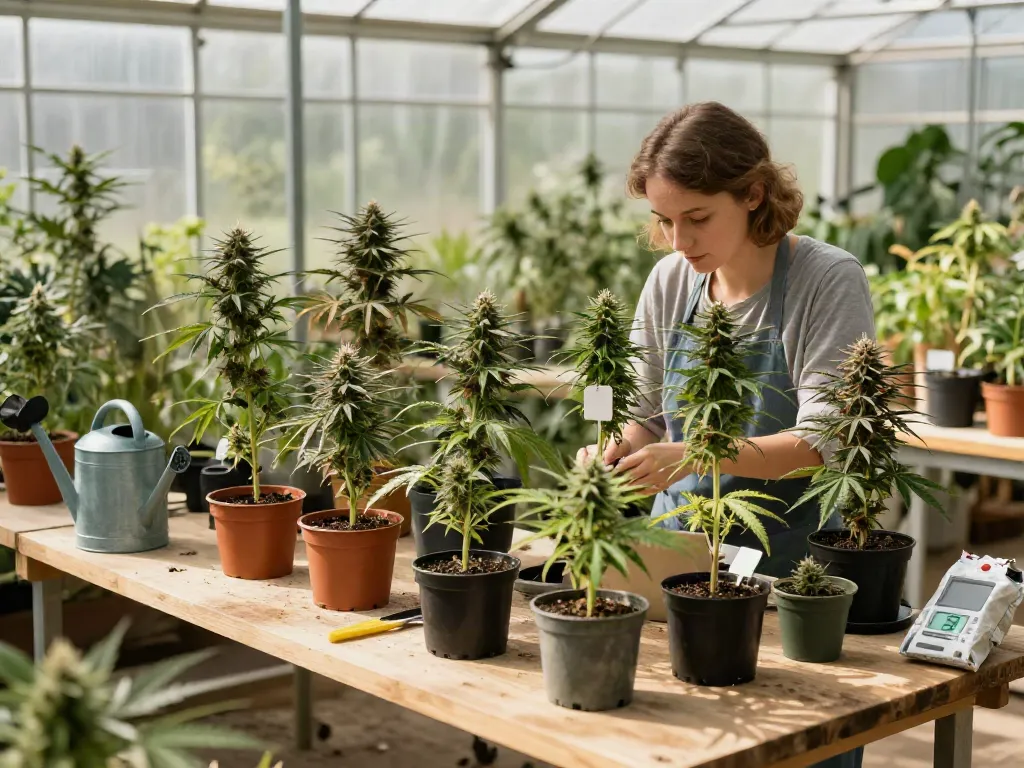
Understanding Cannabis Seeds: Types and Varieties
Cannabis cultivation begins with a crucial step: selecting the right cannabis seeds. With a vast array of options available, understanding the differences between seed types and their unique characteristics will empower growers to make informed decisions. The world of cannabis seeds is rich and varied, featuring feminized, autoflower, and regular seeds, each offering distinct advantages for different cultivation goals.
What are Cannabis Seeds?
Cannabis seeds are the reproductive units of the cannabis plant, containing the genetic makeup needed to grow a new plant. They can be categorized into three primary types: regular, feminized, and autoflowering seeds. Each type serves a specific purpose and can influence the cultivation process based on desired outcomes and growing conditions.
Differences Between Feminized, Autoflower, and Regular Seeds
- Regular Seeds: These seeds can produce both male and female plants. While they are essential for breeding and creating new strains, they require more careful management to avoid unintended pollination.
- Feminized Seeds: These seeds are engineered to produce only female plants, which are coveted for their resinous flowers. Feminized seeds are ideal for cultivators focused solely on flower production, ensuring better yield potential.
- Autoflower Seeds: Autoflowering seeds transition from the vegetative stage to the flowering stage based on age rather than light cycles. This makes them excellent for growers in regions with shorter growing seasons or those looking for quick harvests.
Popular Cannabis Seed Strains for 2026
As we look forward to 2026, certain cannabis strains are expected to dominate the market due to their potency, flavor profiles, and yield potential. Strains such as Bruce Banner, Girl Scout Cookies, and Gelato are gaining traction for their balanced cannabinoid profiles and robust genetics, appealing to both recreational and medicinal users alike. Additionally, new hybrids and landrace strains are increasingly viewed favorably as growers seek to diversify their offerings with unique genetics.
The Importance of Seed Quality and Provenance
Quality and provenance are critical factors when selecting cannabis seeds. The genetic integrity of seeds can significantly influence the growth, yield, and potency of plants. To ensure high-quality cultivation, it’s essential to choose seeds from trusted breeders who prioritize stable genetics and sustainable practices.
How to Identify Quality Cannabis Seeds
Identifying high-quality cannabis seeds involves examining their appearance and sourcing them from reputable sources. Look for seeds that are dark, firm, and glossy, which indicate maturity and viability. Avoid seeds that are pale, cracked, or have a dull finish, as these are less likely to germinate effectively.
Exploring the Role of Trusted Breeders
Trusted breeders play an essential role in providing quality cannabis seeds. Established breeders invest time in research and development, ensuring that their strains meet the demands of both commercial and home growers. Breeders like Positronics Seeds and Zambeza Seeds, with their rich histories and commitment to quality, consistently deliver reliable genetics that perform well across various growing conditions.
Case Studies: Successful Strain Cultivations
Many successful cultivators have shared their experiences with specific strains. For instance, growers who cultivated Granddaddy Purple have praised its rich flavor and substantial yields, while others have found success with the high-resin strains from Frosteez Farmz for their potent terpene profiles. These case studies highlight the importance of choosing the right strain based on environmental conditions and personal preferences.
Best Practices for Cultivating Cannabis Seeds
To achieve optimal results in cannabis cultivation, it’s essential to adopt best practices that cater to the specific needs of the selected strains. This includes understanding the genetics of the seeds, their environmental requirements, and the tools necessary for successful growing.
Essential Growing Conditions for Cannabis
Cannabis plants thrive under specific conditions that influence their growth and yield. Factors such as temperature, humidity, light exposure, and nutrient availability all play vital roles in successful cultivation. Typically, most cannabis plants prefer temperatures between 70°F to 85°F (20°C to 30°C) during the day and slightly cooler at night. Ensuring optimal humidity levels—around 40% to 60%—is also crucial, especially during the flowering stage when excessive moisture can lead to mold and bud rot.
Soil vs. Hydroponics: What Yields Better?
When it comes to choosing a growing medium, many cultivators face the choice between soil and hydroponics. Soil offers a more forgiving environment for beginners, fostering natural symbiosis with beneficial microorganisms. Conversely, hydroponic systems provide faster growth and higher yields due to the direct nutrient delivery to the roots. Ultimately, the choice depends on the grower's experience level, goals, and available resources.
Tips for Maximizing Seed Germination Rates
To maximize seed germination rates, adopting proper techniques is essential. Soaking seeds in water for 12 to 24 hours before planting can kick-start the germination process. Additionally, placing seeds in a damp paper towel until they sprout can help ensure a higher success rate. Finally, maintaining a warm environment during germination is critical—temperature and moisture levels must be monitored closely to ensure optimal conditions.
Troubleshooting Common Cultivation Challenges
Even the most experienced growers face cultivation challenges. Recognizing and addressing these issues early can save entire crops and enhance overall productivity.
Identifying and Preventing Growth Issues
Growth issues can manifest in various forms, from nutrient deficiencies to environmental stress. Regularly inspecting plants for signs of distress, such as yellowing leaves or stunted growth, can help in diagnosing problems. Additionally, maintaining a consistent watering routine and ensuring balanced nutrient levels can prevent many common issues.
Managing Pests and Diseases in Cannabis Plants
Pest infestations and diseases can severely hinder the growth and quality of cannabis plants. Implementing integrated pest management (IPM) strategies, such as introducing beneficial insects, can help control pest populations. Furthermore, using organic pest control methods ensures that plants remain healthy without the risk of chemical exposure.
Real-world Solutions from Experienced Growers
Experienced growers often share invaluable insights into dealing with cultivation challenges. For instance, using companion planting techniques—where beneficial plants are grown alongside cannabis to deter pests—has proven effective. Additionally, organic treatments like neem oil can treat pest infestations without affecting the plant's health.
Future Trends in Cannabis Seed Genetics
The cannabis industry is continuously evolving, with new trends emerging in seed genetics and breeding practices. As consumer preferences shift and regulations adapt, growers must stay informed about the latest developments.
The Rise of High-CBD and Medicinal Strains
High-CBD strains are gaining popularity for their therapeutic benefits without the intoxicating effects of THC. As medical cannabis continues to be embraced worldwide, breeders are focusing on developing strains that cater to therapeutic needs. This trend encompasses not only the cultivation of high-CBD strains but also those with balanced THC and CBD ratios, providing a holistic experience for users.
Innovations in Seed Breeding Technologies
Innovations in seed breeding technologies are set to revolutionize cannabis cultivation. Techniques such as CRISPR gene editing and advanced marker-assisted selection allow breeders to optimize desired traits with greater precision. These advancements could lead to the development of stronger strains, improved disease resistance, and customized seed varieties tailored to specific market demands.
What to Expect in Cannabis Cultivation Post-2026
Looking forward, the cannabis cultivation landscape promises significant advancements. With increased legalization and acceptance, more growers will enter the market, driving demand for unique strains and genetic diversity. Innovations in cultivation techniques and breeding practices will lead to higher yields and increased accessibility of quality cannabis seeds. Moreover, sustainable farming practices are expected to become standard as the industry acknowledges its environmental responsibilities.