
The market for heated tobacco alternatives has grown fast across the UAE, and with that growth comes a familiar problem: counterfeit and grey-market products flooding online marketplaces and unlicensed shops. If you've switched to a heat-not-burn device or are considering one, knowing how to spot a genuine product isn't just about quality — it's about safety, consistency, and making sure you're not paying full price for something that was never legitimate in the first place.
This guide walks through practical ways to verify authenticity, read pack codes correctly, and buy from sources you can actually trust.
Why Authenticity Actually Matters
Heated tobacco sticks are manufactured under strict quality controls, with tobacco blends, filters, and paper specifications tested to deliver a consistent experience batch after batch. Counterfeit versions skip all of that. They're often produced with inconsistent tobacco quality, incorrect moisture levels, or materials that were never approved for consumer use.
Beyond the obvious quality gap, there's a compatibility issue too. Genuine heated tobacco sticks are engineered to work with specific devices. A poorly made counterfeit can cause uneven heating, device errors, or in some cases, damage to the heating blade itself — which turns a cheap pack into an expensive repair bill.
None of this is meant to alarm you. It's simply the reason why sourcing matters as much as the product itself.
Reading the Pack: What Authentic Packaging Looks Like
Before you even open a pack, there are a few things worth checking.
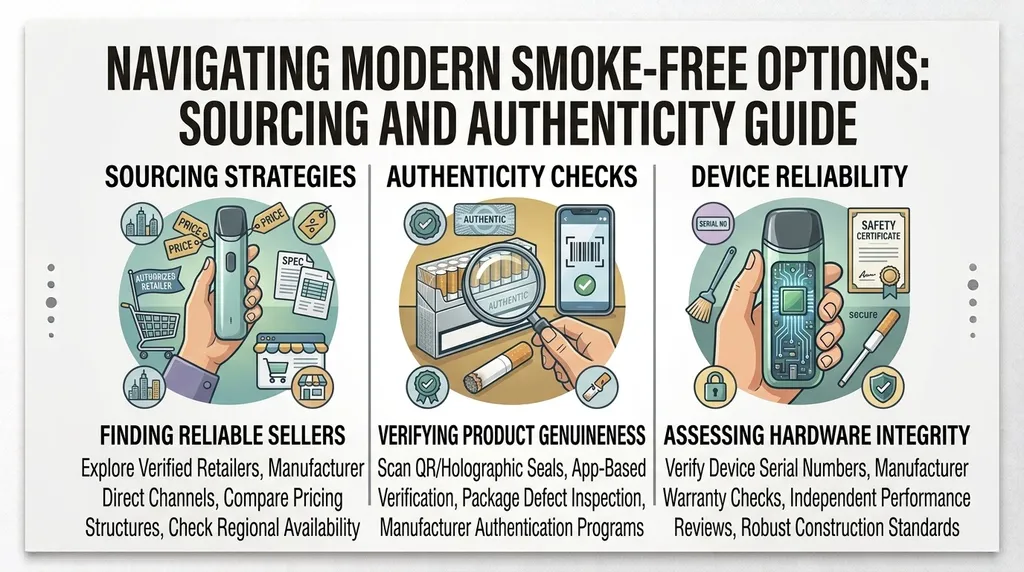
1. The seal and wrapping quality Genuine packs have a tight, evenly applied cellophane wrap with a clean tear-strip. Counterfeit packaging often looks slightly "off" — the wrap may be loose, the print slightly blurred, or the colors a shade lighter or darker than they should be. If you've bought the same product before, this side-by-side comparison is usually the fastest giveaway.
2. Print quality and finish Look closely at the branding, font weight, and any embossed or foil detailing. Authentic packs are printed with sharp, consistent edges. Smudged text, misaligned logos, or a matte finish where there should be gloss (or vice versa) are red flags.
3. The batch and pack code This is the most reliable verification method, and it's worth taking seriously. Every legitimate pack carries a printed code — usually a combination of numbers and letters — that identifies the production batch, manufacturing location, and sometimes the date. This code should be:
- Clearly printed, not smudged or partially cut off
- Consistent in format with other packs from the same product line
- Verifiable, in many cases, through the manufacturer's official verification tools or by checking with an authorized retailer
If a seller can't explain where a pack's code comes from, or if the code looks inconsistent between packs in the same "batch," that's a strong signal to walk away from the purchase.
4. Weight and stick count Authentic packs are filled to a precise stick count with consistent stick weight. If a pack feels unusually light, has visibly uneven sticks, or the count doesn't match what's printed on the box, it's likely not genuine.
Where to Buy: Trusted Sourcing in Dubai
The single biggest factor in avoiding counterfeit products isn't your ability to spot fake packaging — it's choosing the right source from the start. Authorized retailers and verified online shops source directly from official distribution channels, which means the authenticity check has effectively already been done before the product reaches you.
If you're in the UAE, buying from an established and reputable platform like Terea Dubai removes most of the guesswork. Verified sellers maintain proper storage conditions, rotate stock to avoid degradation, and typically offer some form of accountability — whether that's a receipt, order history, or customer support — that grey-market sellers simply don't provide.
A few practical habits to build when choosing where to shop:
- Check for a physical or verifiable business presence. A legitimate retailer usually has a real address, consistent branding, and a traceable order history.
- Avoid unusually steep discounts. If a price looks too good compared to the standard retail rate, that's often the first sign something is wrong with the supply chain.
- Read recent buyer feedback, not just star ratings. Specific comments about packaging, delivery condition, and product freshness tell you more than a generic five-star review.
- Confirm return or replacement policies. Authorized sellers are typically transparent about this; grey-market sellers usually aren't, because they can't guarantee what they're selling in the first place.
Buying Online Without the Guesswork
Online shopping adds convenience, but it also adds a layer of risk since you can't physically inspect the pack before purchase. The safest approach is sticking to platforms that are transparent about their sourcing and have a track record of consistent, verifiable stock.
For anyone looking to place a direct order without navigating unreliable third-party listings, choosing to order Terea online Dubai through a dedicated, verified platform is a far more reliable route than searching general marketplaces where counterfeit and duplicate listings tend to blend in with genuine ones. A dedicated platform typically sources in bulk from official channels, which reduces the chances of receiving old stock, damaged packaging, or mismatched batch codes.
When ordering online, a few extra checks go a long way:
- Confirm the seller lists proper contact information and a real customer service channel
- Look for consistent product photography that matches the actual packaging you receive (stock photos that look "off-brand" can be a warning sign)
- Save your order confirmation and packaging until you've verified the product, in case you need to raise an issue
A Quick Pre-Purchase Checklist
Before finalizing any purchase, it helps to run through a short mental checklist:
- Is the seller an authorized or well-established retailer?
- Does the packaging seal look clean and consistent?
- Is the pack code legible and verifiable?
- Does the price seem realistic compared to standard retail rates?
- Is there a clear way to contact the seller if something's wrong?
If you can answer "yes" to most of these, you're very likely dealing with a legitimate product and a trustworthy source.
Final Thoughts
Authenticity isn't something you should have to think twice about every time you make a purchase — but until counterfeit products stop circulating, a little diligence goes a long way. Learning to read pack codes, recognizing packaging inconsistencies, and sticking to verified retailers are simple habits that protect both your wallet and your experience.
The good news is that sourcing genuine products has become easier as more verified platforms establish themselves in the UAE market. Taking the extra few minutes to check a seller's credibility before buying isn't overcautious — it's just smart shopping.