Understanding PPF Winter Road Salt Protection
As winter approaches, many vehicle owners begin to worry about the damage that road salt and harsh weather conditions can inflict on their cars. One of the most effective ways to safeguard against such wear and tear is through the application of Paint Protection Film, commonly known as PPF. This innovative solution ensures that your vehicle remains in good condition despite the elements. For those seeking optimal PPF winter road salt protection, understanding the function and benefits of PPF is crucial.
What is PPF and How Does It Work?
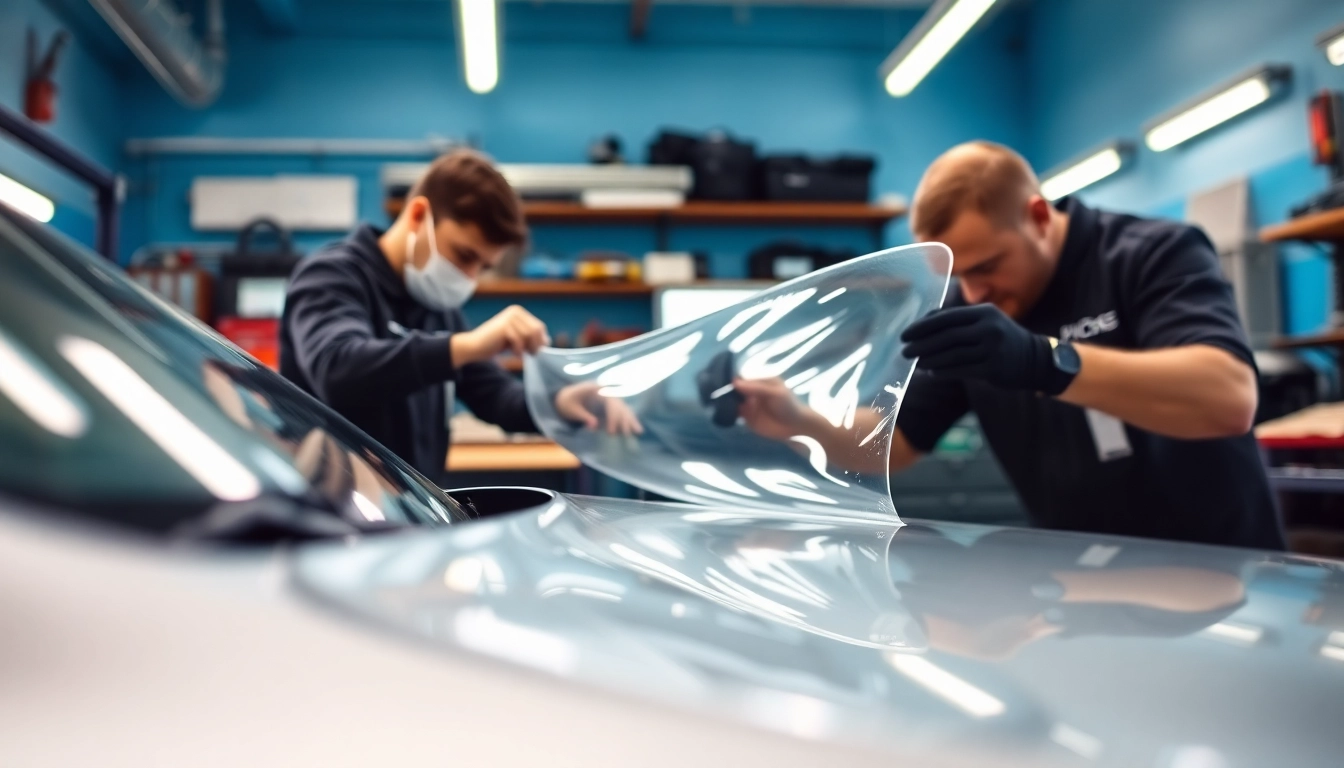
Paint Protection Film (PPF) is a transparent layer of urethane that is applied directly to the painted surfaces of vehicles. Its primary purpose is to provide an additional shield against environmental contaminants, including dirt, UV rays, and road debris. The film is designed to self-heal, meaning minor scratches and blemishes can disappear when exposed to heat.
PPF works by absorbing the impact of small rocks and debris that might scratch the vehicle’s surface. It bonds strongly with automotive paint, ensuring that it stays securely in place while offering an extra layer of rigidity against impacts. Given its properties, PPF is particularly effective in defending against the corrosive effects of road salt, which is fundamental in wintry conditions.
Importance of Winter Road Salt Protection for Your Vehicle
Winter road maintenance often involves the application of salt to improve driving conditions. While effective for reducing ice, road salt can wreak havoc on your vehicle’s paint, leading to rust and other forms of deterioration. Rust not only affects the vehicle's aesthetics but also compromises its structural integrity over time.
By utilizing PPF for winter road salt protection, vehicle owners significantly minimize the risk of corrosion. The film acts as a barrier between the salt and your car, preventing the harsh chemicals from coming into direct contact with the paint. Regular maintenance, alongside a quality PPF installation, can thus extend the life of your vehicle and preserve its resale value.
Common Misconceptions About PPF
Despite its many benefits, there are several misconceptions about Paint Protection Film that can hinder potential users from opting for it. One common belief is that PPF alters the appearance of the paint. In reality, high-quality PPF is nearly invisible and enhances the car's gloss.
Another misconception is that PPF is only necessary for new vehicles. In truth, older models can greatly benefit from PPF, especially if they spend prolonged periods in harsh conditions. Additionally, some believe that installation is a DIY task, but professional application ensures proper adhesion and longevity, maximizing the film's protective capabilities.
How to Choose the Right PPF for Winter Conditions
Selecting the right PPF is crucial for effective winter road salt protection. Not all films are created equal, and the wrong choice may fail to provide adequate protection against the demanding winter months. Here, we delve into essential factors to consider when choosing your PPF.
Factors to Consider When Selecting PPF
When contemplating the appropriate PPF for your vehicle, consider the following:
- Thickness: A thicker film offers greater protection against impacts and abrasions, which is beneficial for winter conditions.
- Clarity: Look for high-quality films that offer excellent optical clarity, ensuring the paint underneath remains vibrant.
- Warranty: A comprehensive warranty generally indicates confidence in the product's performance and durability over time.
- Brand Reputation: Opt for PPF brands with a positive reputation for reliability and longevity.
Top Features to Look for in PPF
When choosing the right PPF for winter conditions, focus on these features:
- Self-Healing Properties: A PPF that heals from minor scratches ensures your car maintains its pristine look throughout the winter.
- Stain Resistance: A film that resists staining from road salt and other environmental contaminants will keep your vehicle looking newer for longer.
- Hydrophobic Surface: This property offers superior water beading, making it easier to clean and maintain during winter weather.
- UV Resistance: Protects against the sun’s harmful rays, preventing discoloration and paint degradation.
Comparing PPF Options for Durability
Durability is a key consideration when selecting PPF. Generally, higher-end products offer better resilience against impacts and environmental factors. When comparing options, assess warranties and reviews that speak to longevity, especially under winter conditions. Consumer feedback is invaluable, as many users report real-life experiences that either validate or call into question a product's durability.
Installation Process for PPF Winter Road Salt Protection
The effectiveness of PPF relies heavily on correct installation. An improperly applied film can lead to bubbling, peeling, or inadequate protection, making it essential to understand the installation process.
Step-by-Step Installation Guide
- Preparation: Begin by thoroughly washing the vehicle, ensuring the surface is free of dirt and wax.
- Cutting the Film: Measure and cut the PPF according to the vehicle's specifications, including any necessary patterns for contours.
- Application: Mist the adhesive side with water to help it slide into place before firmly pushing it down. Use the squeegee to remove air bubbles.
- Trimming: After application, trim excess film with a sharp blade for a clean edge.
- Drying: Allow the film to cure for several days before subjecting it to harsh conditions.
Tools Required for Application
Proper tools ensure a smooth installation process. Essential tools include:
- Squeegee for smoothing the film.
- Heat gun to activate the self-healing properties and assist with contouring.
- Utility knife for trimming excess film.
- Measuring tape for accurate cutting.
- Cleaning materials to prepare the surface.
Professional vs. DIY Installation: Pros and Cons
Choosing between professional installation and a DIY approach hinges on several factors:
- Professional Installation: Generally provides better quality and longevity due to expert application. However, it comes with higher costs.
- DIY Installation: Cost-effective and flexible time-wise, but requires skill and experience to achieve optimal results.
Maintenance Tips for PPF in Winter Conditions
Successfully maintaining PPF during the winter months ensures prolonged protection and aesthetics. Here are key maintenance strategies.
How to Clean and Care for Your PPF
Cleaning PPF properly is paramount to extending its life. Use pH-neutral car wash soaps with a soft mitt to prevent scratches. Avoid automatic car washes that use brushes that could damage the film. Hand washing is the best method. Additionally, regular inspections for any small scratches or imperfections can ensure timely repairs.
Extending the Life of Your PPF in Harsh Weather
This involves protecting the film from extreme conditions. Consider applying a ceramic coating for added protection against road salt and UV rays, which can degrade the film over time. Furthermore, avoid exposing the vehicle to extreme temperatures for extended periods, as this can weaken the film’s adhesion.
Signs Your PPF Needs Replacement or Repair
Watch for the following signs that indicate your PPF may need attention:
- Peeling or curling edges, which can allow contaminants to infiltrate beneath the film.
- Deep scratches that do not heal, impacting the film's protective capabilities.
- Cloudy or yellowed sections indicating degradation from UV exposure.
Frequently Asked Questions About PPF Winter Road Salt Protection
What is the lifespan of PPF under winter conditions?
The lifespan of PPF can range from 5 to 10 years depending on the quality of the film and maintenance practices.
Can PPF be applied to all vehicle types?
Yes, PPF can be applied to various vehicle types, including cars, trucks, SUVs, and even motorcycles.
Is there a warranty for PPF installation?
Most suppliers offer warranties for PPF, typically covering defects and yellowing for several years after installation.
How does PPF protect against road salt damage?
PPF acts as a barrier, preventing road salt from reaching and corroding the vehicle’s paint, thus minimizing deterioration.
Can I wash my car normally after PPF installation?
Yes, but it’s recommended to wait about two weeks post-installation for the adhesive to cure before using automatic washes.