
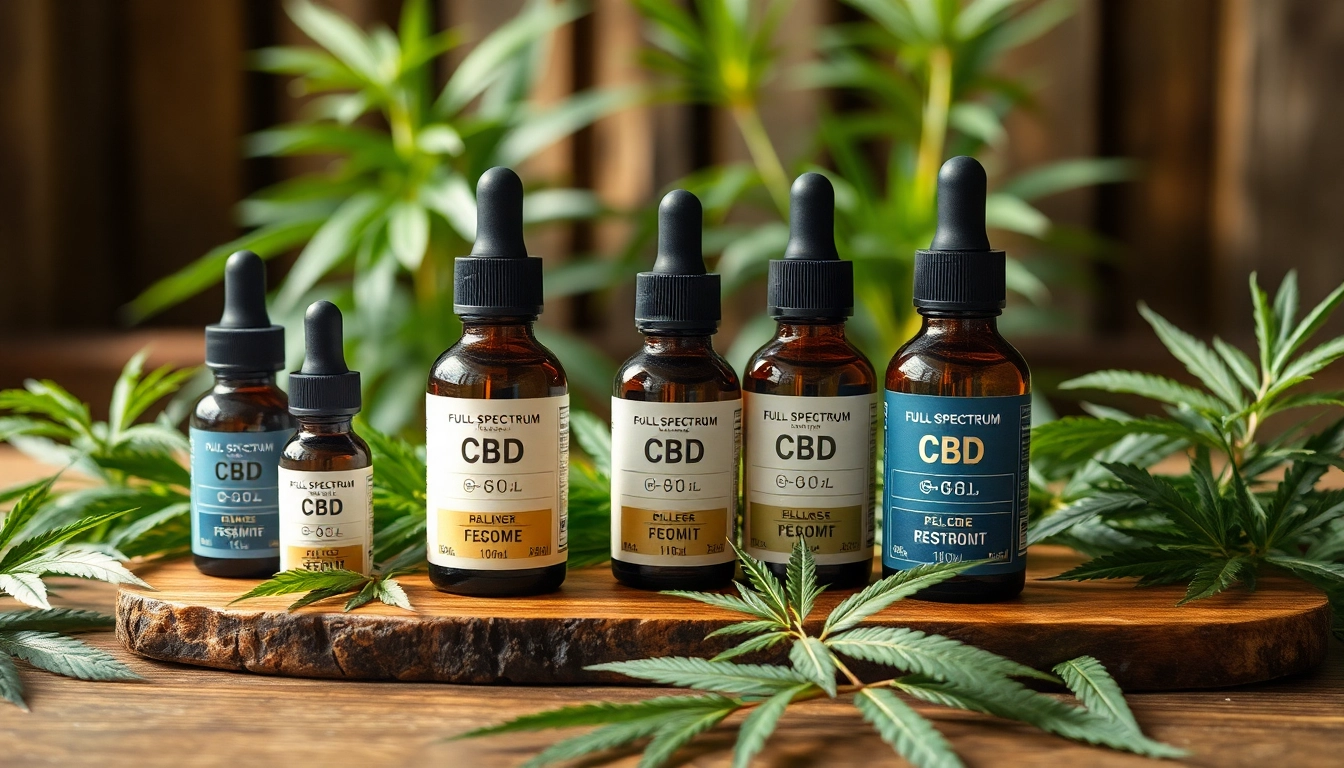
Introduction to Full Spectrum CBD
In recent years, the popularity of cannabidiol (CBD) has surged, driven by growing interest in natural health solutions. Among various forms of CBD, full spectrum CBD has emerged as a prominent choice for many consumers seeking the health benefits associated with cannabis. This comprehensive guide explores what full spectrum CBD is, its key components, the health benefits it offers, and practical guidance on how to select quality products, consume them safely, and understand the legal landscape around CBD use.
Defining Full Spectrum CBD
Full spectrum CBD is a type of cannabinoid extract derived from the cannabis plant that retains all the beneficial compounds naturally occurring in the plant. This includes not only CBD (cannabidiol) but also other cannabinoids, terpenes, and essential oils. Most notably, full spectrum CBD has trace amounts of THC (tetrahydrocannabinol), typically below 0.3%, which is the legal limit set in many jurisdictions. This unique composition allows for what is often referred to as the "entourage effect," where various compounds work synergistically to enhance the therapeutic benefits of CBD.
Key Components of Full Spectrum CBD
The primary components of full spectrum CBD include:
- Cannabinoids: In addition to CBD, full spectrum products contain other cannabinoids such as THC, CBG (cannabigerol), and CBC (cannabichromene), each contributing to potential health benefits.
- Terpenes: These aromatic compounds are found in many plants, including cannabis. Terpenes not only provide flavor and scent but may also offer therapeutic properties, enhancing the effects of cannabinoids.
- Flavonoids: These compounds contribute to the color and taste of cannabis and may also possess anti-inflammatory and antioxidant effects.
- Essential Oils: These provide additional flavor and aroma, potentially offering further health benefits through their anti-inflammatory and antimicrobial properties.
Difference Between Full Spectrum and Other CBD Types
When navigating through various types of CBD, it's essential to understand their differences. The most common types include:
- Full Spectrum CBD: Contains all cannabinoids, terpenes, and flavonoids present in the cannabis plant, including trace amounts of THC.
- Broad Spectrum CBD: Similar to full spectrum but without THC. It offers many of the same benefits while eliminating the psychoactive effects attributed to THC.
- CBD Isolate: The purest form of CBD, containing no other cannabinoids or terpenes. It is often tasteless and odorless, making it suitable for those who wish to avoid THC or other cannabinoids entirely.
Health Benefits of Full Spectrum CBD
Relief from Anxiety and Stress
Full spectrum CBD has garnered attention for its potential to alleviate anxiety and stress. Numerous studies suggest that CBD can influence the endocannabinoid system, which plays a crucial role in regulating mood. The presence of multiple cannabinoids and terpenes may enhance these effects, creating a more balanced impact on stress levels. Users often report experiencing a greater sense of calm and relaxation when using full spectrum CBD compared to isolates or broad spectrum products.
Support for Pain Management
The anti-inflammatory properties of full spectrum CBD make it a candidate for managing chronic pain conditions, such as arthritis or fibromyalgia. Research indicates that full spectrum CBD can help reduce inflammation and interact with neurotransmitters that affect pain perception. Many users claim significant pain relief when using full spectrum products for moderate to severe pain, further complemented by the potential for reduced reliance on pharmaceutical painkillers.
Improvement in Sleep Quality
Sleep disturbances are a common issue faced by many individuals, and studies have begun to explore the role of CBD in enhancing sleep quality. Full spectrum CBD may promote better sleep by addressing the underlying causes of insomnia, such as anxiety and pain. Additionally, terpenes found in full spectrum extracts, such as myrcene, are known for their sedative effects, contributing to the overall potential of full spectrum CBD in enhancing restorative sleep.
How to Choose Quality Full Spectrum CBD Products
Understanding Product Labels
When selecting full spectrum CBD products, the importance of reading labels cannot be overstated. Look for clear, concise information regarding the concentration of CBD, the presence of THC, and an ingredient list that specifies all cannabinoids and terpenes. Quality products will often highlight their full spectrum formulation, emphasizing the variety of compounds present.
Importance of Third-Party Testing
Reputable manufacturers will provide third-party lab test results. These tests verify the potency of cannabinoids and ensure that the product is free from contaminants, such as heavy metals, pesticides, and residual solvents. Third-party testing aids in building trust and assuring consumers of the quality and safety of full spectrum CBD products.
Considerations for Sourcing Hemp
The source of hemp is pivotal to the quality of full spectrum CBD. Industrial hemp must be sourced from reputable farms that follow organic practices. Ideally, hemp should be grown in regions known for quality cannabis cultivation, such as the United States or Canada, where strict regulations ensure safety and quality. Verification of organic farming practices can also be a key indicator of product quality.
Methods of Consumption for Full Spectrum CBD
Oils and Tinctures
Full spectrum CBD oils and tinctures are among the most popular forms of consumption, providing flexibility in dosing. They can be taken sublingually (under the tongue) for rapid absorption into the bloodstream, offering quick relief. Additionally, CBD oils can be added to food or beverages, though this may result in slower onset effects.
Capsules and Softgels
For those who prefer a more straightforward approach, capsules and softgels provide a predetermined dosage, making them convenient and discreet. They may take longer to take effect since they must be processed through the digestive system, but they offer a consistent and easy way to manage intake.
Gummies and Edibles
CBD-infused gummies and edibles combine enjoyment with therapeutic benefits. They come in various flavors and dosages, appealing to a wide demographic. However, like capsules, the onset of effects may be delayed due to digestion. It is essential to be mindful of the dosage when consuming edibles, as it can be easy to consume more than intended.
Legal Considerations and Safety of Full Spectrum CBD
Legal Status of Full Spectrum CBD in the US
The legal landscape surrounding full spectrum CBD is intricate and varies by state. In the United States, the 2018 Farm Bill legalized hemp-derived CBD containing less than 0.3% THC. However, state laws may impose additional regulations or restrictions. It is crucial to familiarize oneself with local laws before purchasing or using full spectrum CBD products.
Potential Side Effects to Watch For
While many people tolerate full spectrum CBD well, some may experience side effects such as fatigue, changes in appetite, or digestive issues. It is advisable to start with a low dose and gradually increase it as needed while monitoring one's response. Consulting a healthcare professional, especially for those taking other medications, is highly recommended.
Recommendations for Responsible Use
When using full spectrum CBD, adherence to a few guidelines can enhance safety and effectiveness. Users should:
- Start with a low dose and gradually adjust based on individual needs.
- Pay attention to how the body reacts, particularly regarding side effects or interactions with medications.
- Choose reputable brands that provide transparent information, including third-party test results.
- Consult with a medical professional, particularly for those with pre-existing health conditions or who are pregnant or breastfeeding.
Conclusion
In summary, full spectrum CBD represents a holistic approach to harnessing the potential of the cannabis plant. With its array of beneficial compounds, it offers promising health benefits, particularly in areas like anxiety relief, pain management, and sleep quality. By understanding its components, selecting quality products, and following safe consumption methods, individuals can make informed choices that align with their health and wellness goals.