
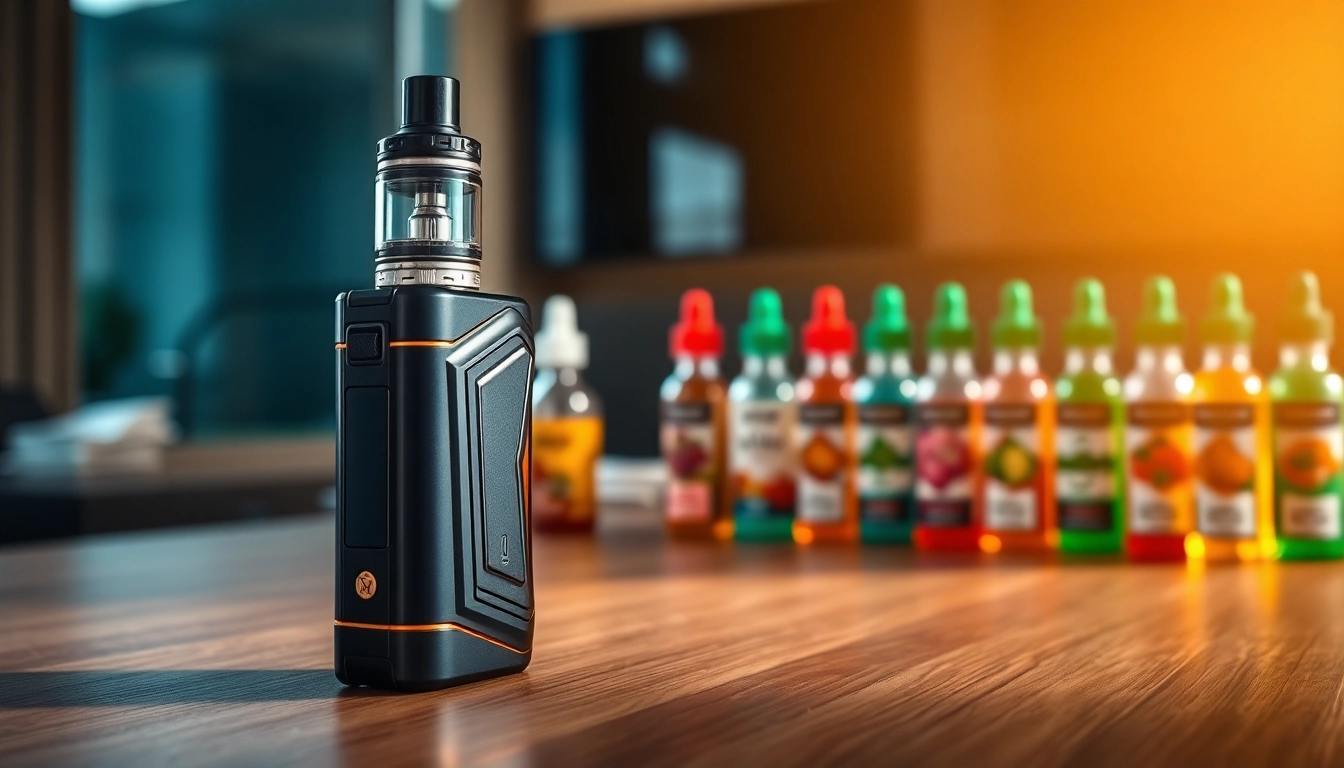
Introduction to Vape & E-Liquids
In recent years, the popularity of vaping has surged considerably, transitioning from a niche market to a mainstream lifestyle choice. As a result, the market for Vape & E-Liquids has experienced unprecedented growth. This article aims to provide a comprehensive guide to understanding these products, their components, flavors, devices, health considerations, and the ever-evolving market trends. Whether you're a novice or a seasoned enthusiast, this guide will offer valuable insights into the fascinating world of vaping.
Defining Vape & E-Liquids
Vape refers to the act of inhaling vapor produced by an electronic cigarette or similar device, which vaporizes a flavored liquid known as an e-liquid or vape juice. E-liquids consist mainly of propylene glycol (PG), vegetable glycerin (VG), flavorings, and nicotine. Together, these elements create the experience of vaping, which is often contrasted with traditional tobacco smoking due to its varying health risks and user experience. The versatility in flavors and customization options make e-liquids an attractive alternative for many users.
Types of Vape & E-Liquids Available
Vape & e-liquids come in several types to suit different preferences:
- Nicotine E-liquids: These include various nicotine concentrations, allowing users to choose their preferred strength.
- Nicotine Salts: A type of e-liquid that uses a different chemical form of nicotine, providing a smoother throat hit and faster absorption.
- Flavor-focused E-liquids: These prioritizing a wide range of flavors, from fruit to desserts, appealing to different demographics.
- CBD E-liquids: Infused with cannabidiol, these offer potential therapeutic effects without the psychoactive components of THC.
Importance of Quality in Vape & E-Liquids
The quality of Vape & E-Liquids significantly influences the overall vaping experience. High-quality e-liquids are crafted with food-grade flavorings, and pharmaceutical-grade nicotine, ensuring they are safe for consumption. Moreover, consistent quality control is crucial, as poor-quality products may contain harmful impurities. When choosing e-liquids, users should prioritize reputable brands that provide transparency in their ingredients and manufacturing processes.
Flavor Profiles and Their Origins
Exploring flavor profiles is integral to understanding Vape & E-Liquids. Enhanced flavors can significantly influence the vaping experience and user satisfaction.
Popular Flavor Categories in Vape & E-Liquids
E-liquids are available in a diverse array of flavor categories. The most popular ones include:
- Fruits: These flavors imitate various fruits, such as apple, mango, and berries, offering fresh and light options.
- Desserts: Sweet flavors that replicate cakes, cookies, and other confections cater to those with a sweet tooth.
- Menthol: Known for its cooling sensation, menthol flavors provide a refreshing hit.
- Tobacco: Some users prefer flavors resembling traditional tobacco, which help them transition away from smoking.
- Beverages: These flavors mimic drinks like coffee, sodas, and cocktails, enhancing the vaping experience.
How Flavoring Influences Vape Experience
The choice of flavor can significantly alter the user's vaping experience. For instance, fruit flavors tend to be lighter and more refreshing, while dessert flavors can provide a richer, sweeter inhalation. Additionally, the interplay between flavor and nicotine levels can enhance the throat hit, making some experiences more satisfying than others. Understanding individual preferences in flavoring can help users select e-liquids that best fit their tastes.
Mixing Flavors for Unique Combinations
For the adventurous vaper, mixing different flavors opens up a world of possibilities. Many users experiment by combining two or more flavors to create custom blends that suit their unique taste profiles. This practice can lead to discovering exciting mixtures, such as fruit combined with menthol for a refreshing twist or dessert flavors paired with tobacco for added depth. Users should approach mixing cautiously, testing small amounts to find their ideal concoctions before committing to a larger batch.
Choosing the Right Vape Device for E-Liquids
The effectiveness of Vape & E-Liquids heavily relies on the device used for inhalation. Different devices cater to varying preferences, which requires understanding their functionalities.
Overview of Vape Devices Compatibility
Vape devices are primarily categorized into two types: open and closed systems.
- Closed systems: These devices use pre-filled pods containing e-liquid and are easy to use, making them suitable for beginners.
- Open systems: These allow users to fill tanks with any e-liquid they desire, offering more customization but requiring more knowledge and maintenance.
How Atomizers Affect Flavor in Vape & E-Liquids
The atomizer is a key component of vaping devices that heats the e-liquid, turning it into vapor. The type and quality of atomizer significantly affect flavor production. Different types of coils, such as sub-ohm or mouth-to-lung (MTL), can enhance flavor reception. Sub-ohm coils produce larger vapor clouds while allowing more flavor concentration, making them ideal for those who prioritize rich taste. Conversely, MTL coils offer a tighter draw, similar to traditional smoking, and cater to users who prefer nicotine satisfaction.
Battery Life and Its Impact on Vaping
The battery life of a device influences the overall vaping experience. Devices with larger batteries can last longer, allowing extended vaping without frequent recharging. However, larger batteries can result in heavier devices, potentially deterring some users. It's essential to balance battery capacity with portability needs, ensuring the device fits comfortably within the user's lifestyle without sacrificing performance.
Health Considerations with Vape & E-Liquids
The health implications of vaping have generated extensive discussion and research. While many consider it a safer alternative to traditional smoking, understanding the health risks associated with Vape & E-Liquids is crucial.
Common Myths vs. Facts about Vaping
Several myths surround vaping, leading to misconceptions about its safety and risks. Common myths include:
- Vaping is completely safe: While generally safer than smoking, vaping is not without risks, especially regarding lung health.
- All e-liquids contain harmful chemicals: Quality e-liquids from reputable manufacturers minimize harmful ingredients, but some unregulated products may contain contaminants.
- Vaping is harmless for young people: The long-term health effects of vaping are still under study, and adolescents should be cautious due to nicotine risks.
Separating fact from fiction is essential for informed decision-making about vaping.
Understanding Nicotine Levels in Vape & E-Liquids
Nicotine content in e-liquids ranges from 0 to 50 mg/ml, with many users starting at lower concentrations and gradually increasing as needed. Understanding personal tolerance and health conditions can guide users in selecting the appropriate nicotine level. It is advisable to consult healthcare professionals if there are concerns about nicotine dependency or health implications.
Lab Testing and Safety Standards
Quality control through lab testing is paramount for ensuring the safety of Vape & E-Liquids. Many reputable brands voluntarily undergo third-party testing to verify their products free from harmful contaminants, maintaining high safety standards. Consumers should seek brands that provide lab test results or certificates of analysis, ensuring transparency in ingredients and dedication to consumer safety.
Market Trends and the Future of Vape & E-Liquids
The evolving landscape of the vaping market presents various trends shaping the future of Vape & E-Liquids.
Expanding Variety in Flavor and Formulations
As consumer preferences shift, manufacturers are responding with an increasingly diverse range of flavors and formulations. Advancements in flavor technology will likely enable the creation of even more unique and complex tastes, appealing to a broader audience. Additionally, the introduction of non-nicotine and herbal blends is expected to grow, catering to users seeking alternative options.
Regulatory Changes Impacting Vape & E-Liquid Sales
Regulations surrounding vaping are constantly evolving, often in response to public health concerns. New laws may impose restrictions on flavor availability, age limits, and advertising practices. Staying abreast of these changes is essential for manufacturers and consumers alike, as compliance will be critical for market participation and the future landscape of the vaping community.
Consumer Behavior Shifts in the Vaping Industry
As more data becomes available about the health implications of vaping, consumer behavior may increasingly shift towards flavor quality and safety preferences. First-time users are likely to seek safer, transparent products, prompting brands to prioritize high-quality ingredients and ethical practices. This trend will define consumer loyalty and product choices, ensuring that brands that prioritize quality will thrive in the competitive marketplace.
Conclusion
Understanding the world of Vape & E-Liquids opens up a range of possibilities for seasoned enthusiasts and newcomers alike. By recognizing the significance of device selection, flavor preferences, health implications, and market trends, users can make informed choices that enhance their vaping experience. Through this comprehensive guide, we hope to encourage responsible vaping habits and reinforce the importance of quality and safety in the marketplace.