
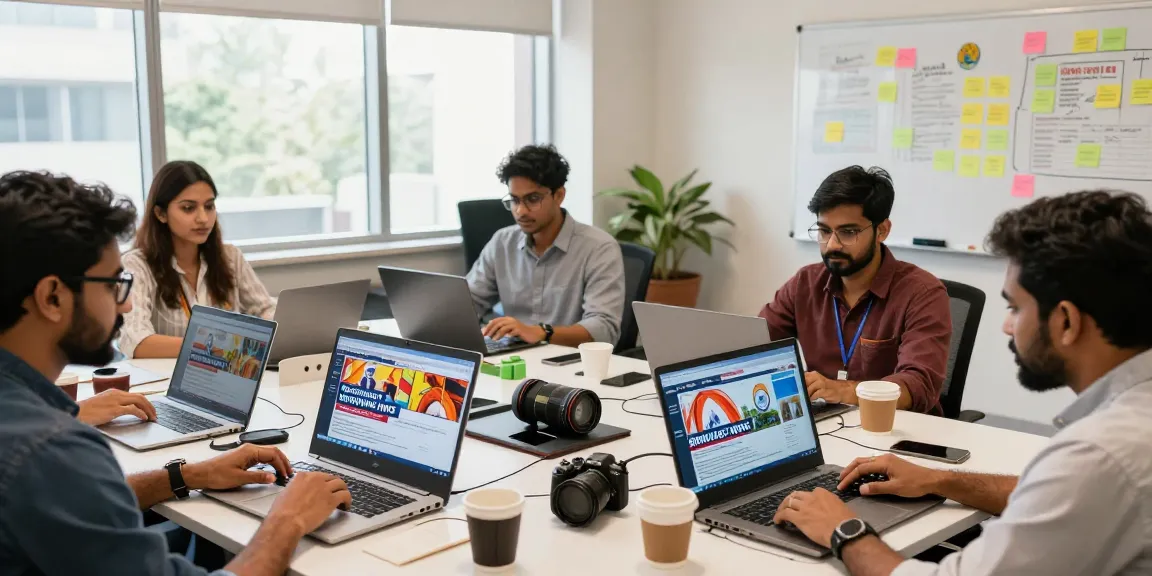
Understanding India’s Current Political Climate
As one of the world’s largest democracies, India presents a dynamic political landscape that influences not just its citizens but also global stakeholders. From the cataclysmic shifts witnessed during the recent elections to the nuanced interplay among major political parties, understanding India’s current political climate is essential for anyone wishing to stay informed about this vibrant nation. For comprehensive insights into these developments, visit https://www.theindaily.com, a trusted source of current news.
Key Political Players: Who’s Who in 2026?
In 2026, the political arena in India is dominated by several key players whose influence shapes policy and governance. The Bharatiya Janata Party (BJP) continues to hold a significant majority, led by Prime Minister Narendra Modi, whose leadership style is characterized by a blend of economic reforms and nationalism. The Indian National Congress (INC), although facing challenges, remains an integral part of the opposition, led by Rahul Gandhi, who aims to revive the party’s appeal among younger voters.
Regional parties also play crucial roles. Leaders like Mamata Banerjee from West Bengal’s All India Trinamool Congress (AITC) and Arvind Kejriwal of the Aam Aadmi Party (AAP) exemplify how local politics impact national policies. Moreover, new entrants in the political landscape are disrupting traditional power dynamics, making the upcoming elections a pivotal moment for India.
The Role of Technology in Modern Politics
Technology is increasingly a cornerstone of political strategy in India. Social media platforms, mobile applications, and data analytics are now essential tools for political campaigns and voter engagement. Political parties leverage these technologies not just for outreach but also for micro-targeting audiences based on demographics and preferences. This approach has been particularly effective in mobilizing young voters and addressing their concerns, such as job creation and environmental issues.
Additionally, the use of blockchain technology and artificial intelligence in electoral processes raises discussions about transparency and accountability, offering potential solutions to combat election fraud and misinformation.
Analyzing Major Political Events and Their Impacts
Significant political events, such as the legislative assembly elections, policy reforms, and unrest, have far-reaching implications. For instance, the recent farmer protests over agricultural reforms not only reshaped public discourse but also forced the government to reconsider its approach to rural policies. Similarly, the handling of the COVID-19 pandemic has been a litmus test for the government, affecting its popularity and electoral prospects.
Each event contributes to a complex tapestry that shapes the nation’s future, making it essential for citizens and analysts alike to remain engaged and informed.
Economic Trends Shaping India’s Future
India’s economy is on the cusp of transformation as it grapples with both opportunities and challenges. With a youthful demographic and an expanding middle class, the potential for growth is immense, but external factors and internal policies will play critical roles in determining the success of these trends.
Current Economic Indicators and Forecasts
As of 2026, India’s GDP growth rate is projected at approximately 6%, supported by a rebound in manufacturing and service sectors. Key indicators such as inflation rates, employment statistics, and foreign direct investment levels show a mixed bag of recovery and volatility. Analysts emphasize the importance of sustaining growth through robust fiscal policies and strategic investments in infrastructure and development.
The Reserve Bank of India’s monetary policies will also play a key role in stabilizing the economy, particularly in controlling inflation which has fluctuated significantly due to global supply chain disruptions.
The Importance of Startups in India’s Growth
The startup ecosystem in India is one of the fastest-growing in the world, with cities like Bangalore and Delhi emerging as tech hubs. The surge in entrepreneurship is crucial for job creation and economic diversification. Initiatives like ‘Startup India’ have fostered a favorable environment for innovation, leading to significant investments in various sectors including fintech, healthtech, and edtech.
These startups not only contribute to economic growth but also address social issues, from access to education to healthcare improvements, thus becoming an integral part of India’s socio-economic fabric.
Global Economic Influences on India in 2026
India’s economy is not isolated; it is intricately connected to global economic trends. The ongoing geopolitical tensions and shifts in global supply chains due to factors such as the US-China trade war have created both challenges and opportunities for India. Strategic partnerships with Western nations and increased participation in international organizations are vital for bolstering its economic standing.
Moreover, India’s role in global climate discussions will significantly impact its economic policies, particularly as it strives to balance industrial growth with sustainability.
The Evolution of Indian Culture and Society
India’s cultural landscape is a vibrant mosaic that reflects its diverse history and traditions while continuously evolving in the contemporary context. Understanding this evolution is essential for grasping the nation’s identity and its future trajectory.
Pop Culture Trends: What’s Hot in 2026?
In 2026, Indian pop culture remains deeply intertwined with the global landscape, influenced by international music, cinema, and fashion trends. The resurgence of traditional art forms coupled with modern interpretations showcases a cultural renaissance. Streaming platforms have revolutionized how content is consumed, making Indian cinema and web series popular not just domestically but also abroad.
Moreover, social media influencers and digital creators are shaping youth culture, becoming powerful voices that reflect and challenge societal norms.
The Intersection of Tradition and Modernity
The duality of tradition and modernity is a defining characteristic of Indian society. Festivals like Diwali and Eid are celebrated with fervor, even as urbanization and globalization bring new influences. This intersection creates fertile ground for dialogue about identity, values, and progress, particularly among younger generations who navigate between inherited cultural practices and contemporary lifestyles.
Understanding Regional Diversity in India
India’s regional diversity is immense, encompassing various languages, religions, and customs. This diversity shapes everything from politics to business to social interactions. Understanding regional dynamics is crucial for any analysis of the Indian landscape; for example, states like Tamil Nadu and Maharashtra have distinct cultural identities and economic powerhouses that significantly contribute to national growth.
Challenges Facing Indian News Media
As India moves towards a more digital-centric news landscape, it faces several challenges that threaten the integrity and reliability of information dissemination.
Combatting Misinformation and Ensuring Credibility
The rise of misinformation, particularly on social media platforms, poses a serious challenge to credible journalism in India. Initiatives to enhance media literacy among the population are critical in combating false narratives and ensuring that citizens can discern reliable news sources from misleading ones.
Establishing a culture of accountability among media outlets is paramount to restoring trust and encouraging responsible reporting practices.
The Shift to Digital: Adapting to New Platforms
With the rapid shift towards digital media, traditional news outlets must adapt to new consumption habits. This includes investing in technology to provide a seamless user experience across platforms and utilizing data analytics to understand audience preferences better. The challenge lies in maintaining journalistic integrity while also innovating for digital engagement.
Journalistic Ethics in the Modern Age
This evolving landscape raises ethical questions that need to be addressed by media professionals. Upholding standards of accuracy, fairness, and transparency is essential to maintaining the media’s role as a watchdog and a source of reliable information.
Media organizations must navigate the fine line between sensationalism and responsible reporting, particularly in a highly competitive environment where audience attention is fleeting.
Future Trends: What to Expect in Indian News
The future of news media in India is poised for transformation, driven by emerging technologies and shifting audience expectations.
Emerging Technologies in News Reporting
Artificial intelligence, virtual reality, and augmented reality have the potential to revolutionize how news is reported and consumed. These technologies can enhance storytelling, making it more immersive and interactive, thus engaging audiences on a deeper level. For example, VR could bring users closer to significant events, allowing them to experience news in a way that traditional media cannot.
The Role of Citizen Journalism in 2026
Citizen journalism is becoming increasingly significant in the Indian media landscape. As more people turn to social media to share their stories and perspectives, traditional media outlets must find ways to incorporate these voices while maintaining editorial standards. This democratization of news can lead to a more robust dialogue about pressing social issues.
Predictions for the Indian Media Landscape
As we look ahead, it is likely that the Indian media landscape will see a shift towards personalized news experiences driven by algorithms that curate content based on individual preferences. However, this also raises concerns about echo chambers and the potential loss of diverse viewpoints. Finding a balance between personalized content and the provision of diverse perspectives will be crucial for a healthy media environment.

